Our Daily Life and our Devotional Life

Psalm 15 Insta

NotesPodcastInstagraphicsWebsiteiTunesSpotify

Every Christian wants a healthy and vigorous devotional life. We want to enjoy worshipping God in our homes and in our church. We want to honor and please God in our worship as well as get spiritual benefit from it ourselves. But sometimes we’re not sure this is happening. Indeed, sometimes we have no sense of pleasing God or of spiritual profit. What’s going on there? What’s going wrong there?

Psalm 15 answers that question and points to the solution. It’s this: Our daily life is connected to our devotional life. Or, to put it another way: A healthy devotional life is inseparable from a holy daily life.


“I’m a great sinner with a greater Savior”

Pslam 14 Insta

NotesPodcastInstagraphicsWebsiteiTunesSpotify

Towards the end of his life, John Newton said, “Although my memory’s fading, I remember two things very clearly: I am a great sinner and Christ is a great Savior.” If I was allowed to choose two memories that would never fade even if aging and dementia took everything else away, these are the two things I would choose: “I am a great sinner and Christ is a great Savior.” But even apart from dementia, it’s easy to let these two great truths fade into forgetfulness. That’s why it’s important to remind ourselves of these two facts every day of our lives: “I am a great sinner and Christ is a great Savior.” Psalm 14 helps us do just that.


God’s Clock Ticks Slowly

Psalm 13 Insta

NotesPodcastInstagraphicsWebsiteiTunesSpotify

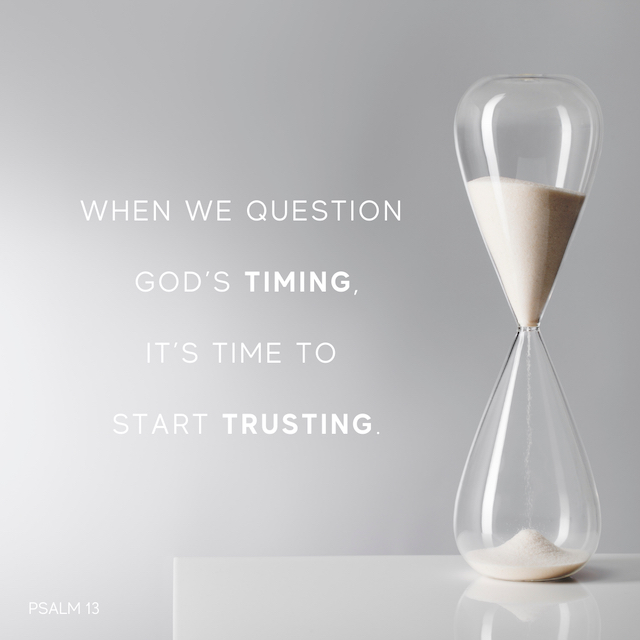
“How long will this go on? How long do I have to wait? How long will this last? How long? How long? How long?” It’s a question that we all ask, isn’t it? How long will my child rebel? How long will her bullying last? How long will evil go unpunished? How long will this pain go on? How long will the chemo be? How long will my depression last? How long do I have to wait for a wife/husband/friend? How long will this temptation last? How long with this test be? How long until he forgives me? How long must I wait for assurance? How long until God takes me to heaven? The message of Psalm 13 is: When you’ve got long complex questions, hear God’s short simple answers.


Comparisonitis

14-30-1

Envy has never been a greater problem than today. There are two main drivers. The first is social media. Ethan Kross, professor of psychology at the University of Michigan who studies the impact of Facebook on our wellbeing, says that through social media, “envy is being taken to an extreme.” Robert Greene explains how in The Laws of Human Nature:

“Through social media we have a continual window into the lives of friends, pseudo-friends, and celebrities. And what we see is not some unvarnished peek into their world but a highly idealized image that they present. We see only the most exciting images from their vacations, the happy faces of their friends, and children, accounts of their continual self-improvement, the fascinating people they are meeting, the great causes and projects they are involved in, the example of success in their endeavors.”

Or, as The Guardian put it more succinctly: The age of envy: How to be happy when everyone else’s life looks perfect. Our phones are envy amplification machines.

A second driver of envy is the politics of inequality which thrives on fanning the flames of jealousy by highlighting wealth, privilege, and power differences in society.

None of us are immune to these social pressures which multiply the envy we find in our own hearts. But, so what? I can hide my envy so that no one sees it or is hurt by it. If unopposed, envy usually does end up hurting other people through criticism, gossip, and other underhand attacks. However, even if we do manage to stop it hurting others, it hurts ourselves, as Proverbs 14:30 warns us: A tranquil heart gives life to the flesh, but envy makes the bones rot. Or, to put it another way, Envy eats us, but peace feeds us.

Full sermon notes on Proverbs 14:30 here.

Singing Angels

Luke 2-14-1

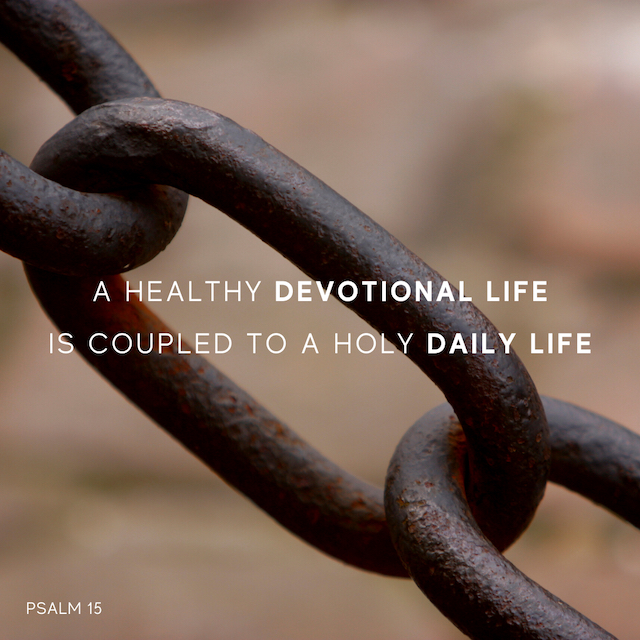
Do you want to be happier? Sing more! Happiness makes us sing; but research has found that singing also makes us happy. How so?

Studies like this one have discovered that the deep breathing in singing brings more oxygen into the blood, just like aerobic exercise does. Second, it releases endorphins, the feel-good chemicals, in the brain. Third, the concentration required in singing distracts us from our problems and therefore reduces our stress. Fourth, learning new songs keeps our brains active and fends off depression. Fifth, singing in a choir gives a lift from social connection and working together with others. It also boosts confidence when singing in front of a crowd. One study put it like this:

“On average, choral singers rated their satisfaction with life higher than the public—even when the actual problems faced by those singers were more substantial than those faced by the general public…Also, the support system of being part of a group, and the commitment to that group that gets people out of the house and into the chorus every week…These benefits are a big component of why choral singers tend to be happier than the rest of us.”

If that’s what a choir of humans can do for us, think what a choir of angels can do for us! In Luke 2:8-14 we meet singing angels. They are the best ever choir, singing the best ever lyrics, of the best ever song, in the best ever way. Let’s hear them and join them and experience how singing makes us happy. Lift up praise songs to lift up God and to lift up your spirit.

Full sermon notes here. Picture sermon for kids here.


A Sound for Sore Ears

Psalm 12 Insta

NotesPodcastInstagraphicsWebsiteiTunesSpotify

“Sticks and stones will break my bones, but words will never hurt me.” Really? Whoever says that has never been bullied. A few years ago, a study conducted by research psychologists at Purdue University, Indiana, found that memories of painful emotional experiences linger far longer than those involving physical pain. The researchers quizzed people about painful events in the previous five years and found that it was much easier for people to relive, re-experience, and re-suffer from social pain than from physical pain. So what do we do when words have wounded us? We turn to the healing Word of God as the Psalmist did in Psalm 12.